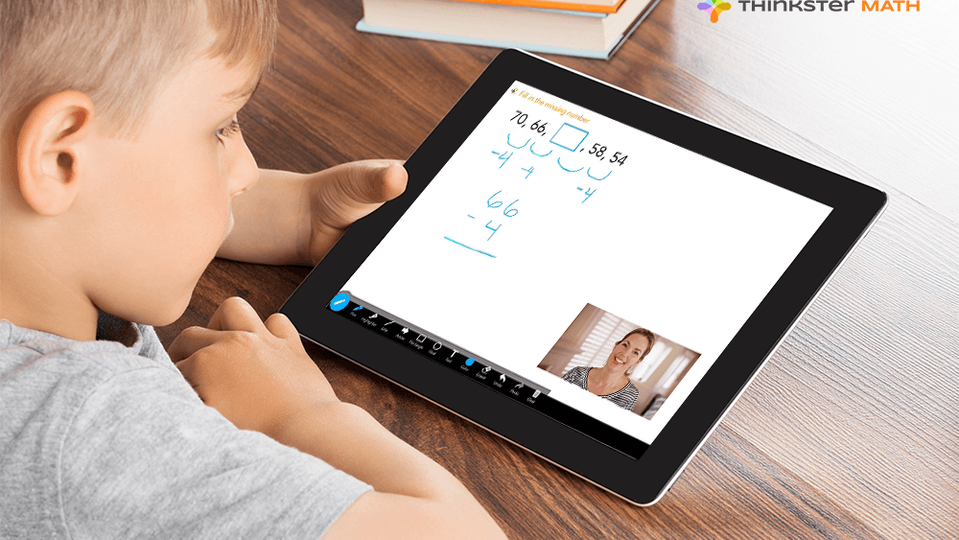
Many parents are curious as to what the differences between Thinkster Math and Kumon Math® are. In an earlier blog, we highlighted some of the key differences from the parent and student perspective. Our Thinkster coaches have more to share on their own experiences too.
Thinkster Math has three coaches- Debbie P., Wendy B., and Caroline M. – on the team who are ex-Kumon instructors. Their experience with Kumon Math, particularly limitations they faced, encouraged them to look for alternative ways to provide tutoring service.
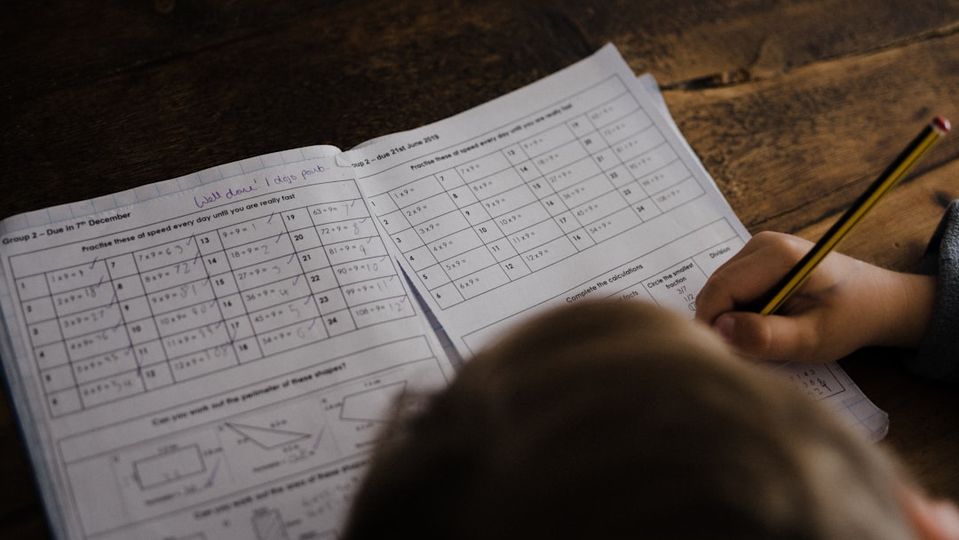
When Debbie, one of Thinkster’s Canadian coaches, was asked about her experience with Kumon, she shared: “I found it terribly constricting that I was not able to help the students at their grade level school work. It was ‘drill and kill’ with the regurgitation of mental calculation and hoping that it would transcend to application skills.”
This sentiment is echoed by all three teachers.
What does Kumon Math focus on?
While Kumon does lead to improvements with mental arithmetic skills, success is ultimately measured by how quickly a student progresses through ‘levels’. For example, an impressive feat is when a student in 3rd grade is at Level G (basic algebra) in Kumon.
Students focus on improvements with computational skills and use self-learning methods to then apply this to higher-level problems. This means that there isn’t much focus on word problems, geometry, and measurement and data within the Kumon Math curriculum.

Kumon Math and school topics don’t match
While building up computational fluency can help increase confidence, the topics covered in Kumon are not always relevant to what the student is learning in school. Students in Kumon work at their skill level. Typically, students cover topics in Kumon that are different than the pace they are learning similar topics at school.